


Acid, Neutral or Alkaline? Know the Types of Professional Cleaning Chemicals Before You Use the Wrong One
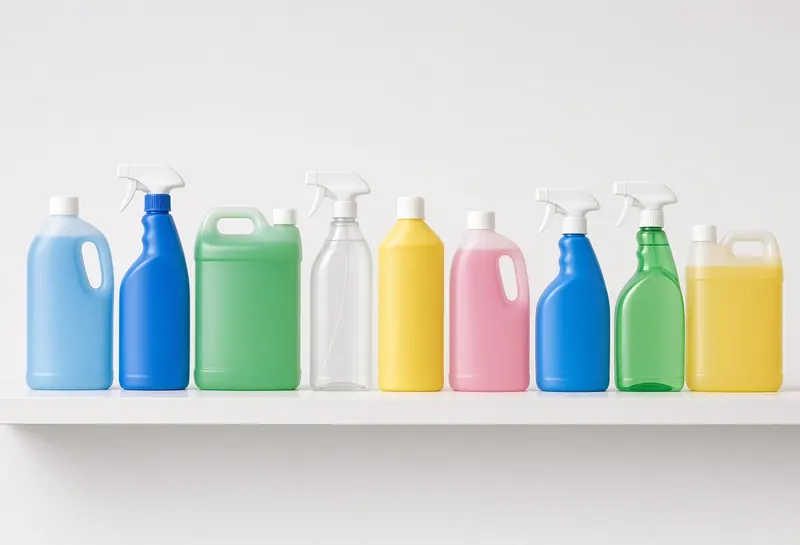
In the chemical store, all the bottles can look similar. In fact the contents can be opposites: some are acid, some are alkaline. Use the wrong one and a surface can be damaged. Let’s first get to know the types of cleaning liquid, or professional cleaning chemicals, so you do not just spray at random.
First, get to know them by their chemistry (pH)
| Type | What it does best | Examples |
|---|---|---|
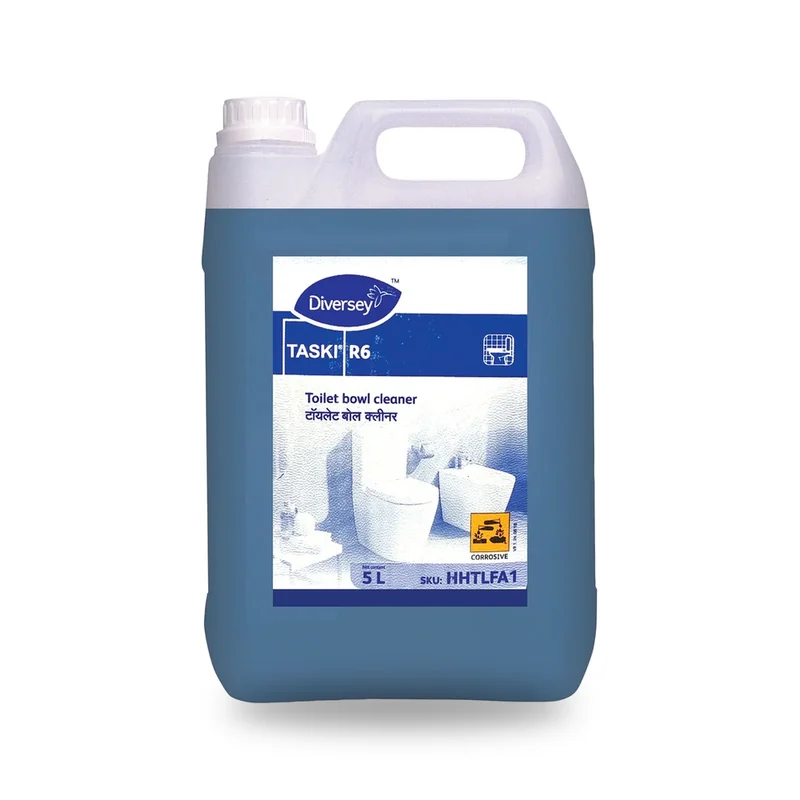
| Acid | Limescale, rust, toilet deposits, machine scale | TASKI R6, TASKI R9, Suma Cal-X |
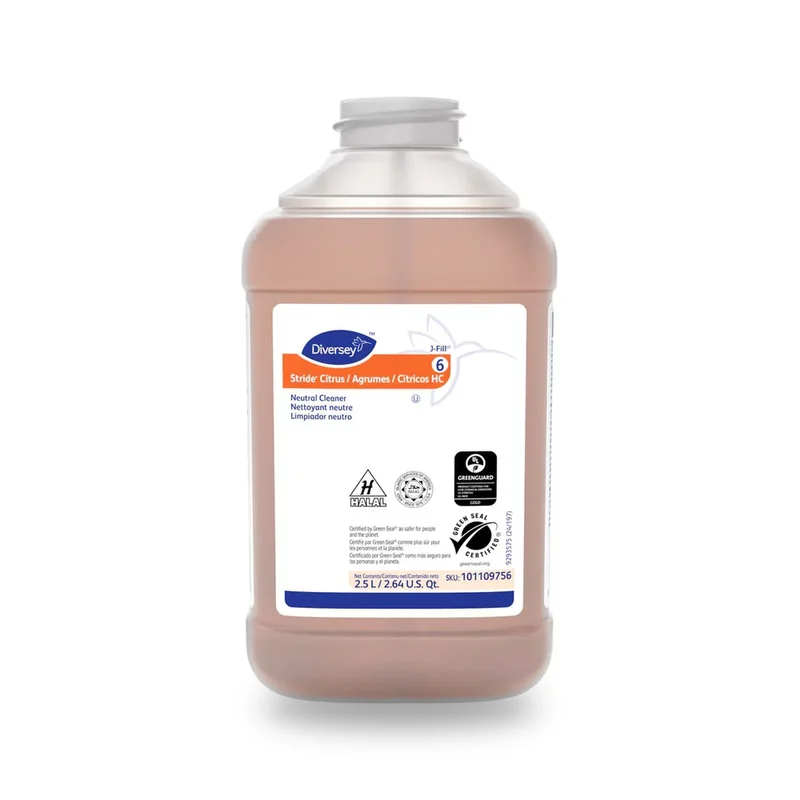
| Neutral | Daily cleaning of floors and surfaces, including sensitive ones | Stride Citrus HC, Nobla Liquid, Suma Star D1 |
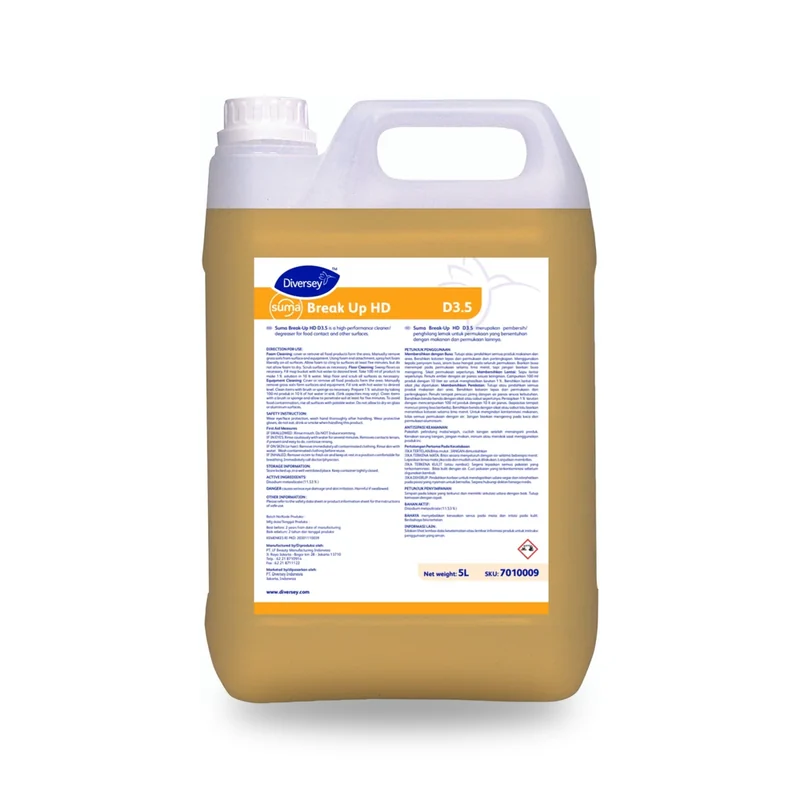
| Alkaline (alkali) | Oil, grease, protein, heavy soil; stripping a floor film | TASKI R2, Suma Break Up D3.5, Suma Grill D9 |
Acid and alkaline products are both effective on certain soils, but they can damage the wrong surface. A classic example: an acid product is not suitable for marble.
Second, get to know them by function and area
- Multi-purpose for daily hard surfaces. See surfaces, glass and air fresheners.
- Glass cleaners such as TASKI R3 and Glance.
- Washrooms and toilets. See the washroom category.
- Floor care, from strippers to marble crystallization. See floors and carpet.
- Kitchens and grease removal. Read the kitchen cleaner guide.
- Disinfectants and sanitizers, for example Oxivir Excel.
- Hand hygiene, for example Soft Care Plus H4.
Cleaning ≠ disinfecting
Cleaning means lifting soil. Disinfecting means killing microorganisms. Soil left behind can reduce how well a disinfectant works, so the order is: clean first, then disinfect if needed. For healthcare facilities, read how to choose a hospital disinfectant.
How to choose for your business
- Map the areas and the type of soil: grease, scale, dust or stains.
- Check the surface material and how it matches the product pH.
- Choose a concentrate with a clear dose, then use a measuring tool. See how to calculate dilution.
- Train staff and label every solution bottle.
And one more thing: never mix products, especially an acid with a chlorinated product. Read the danger of mixing cleaning chemicals.
The mistakes that happen most often
Using an acidic washroom descaler to mop a marble floor. Using a strong degreaser on aluminium. Or, the other way around, using a neutral cleaner on thick scale and then scrubbing for hours with no result.
All of these mistakes start from the same place: not knowing the nature of the product in hand. By recognising the three main groups above, staff can choose with more confidence and surfaces last longer.
The bottom line: before you spray anything, ask two questions: what is the soil, and what is the surface? The answers to those two questions almost always point to the right product group, whether acid, neutral or alkaline. The rest is the correct dose and tidy working habits.
Quick questions
What is the difference between a household product and a professional chemical? Professional products are generally concentrates, designed for a particular area and soil, and supplied with dose instructions for staff.
Can an acid product be used on marble? No. An acid product can dull marble.
Where can I buy original Diversey cleaning chemicals? Sanitra is an Authorized Distributor of Diversey in Jakarta. See the product catalogue or contact us for pricing and a demo.