


Restaurant Kitchen Always Greasy? Try This Cleaning Schedule, Complete with the Kitchen Cleaners
The floor was just mopped, and an hour later it is slippery again. The hood was cleaned last week, and now it is already dripping grease. Sound familiar? The problem is often not the staff, but a kitchen cleaning schedule that is unclear and a kitchen cleaner used as “one for everything”.
First, get to know your kitchen’s five zones
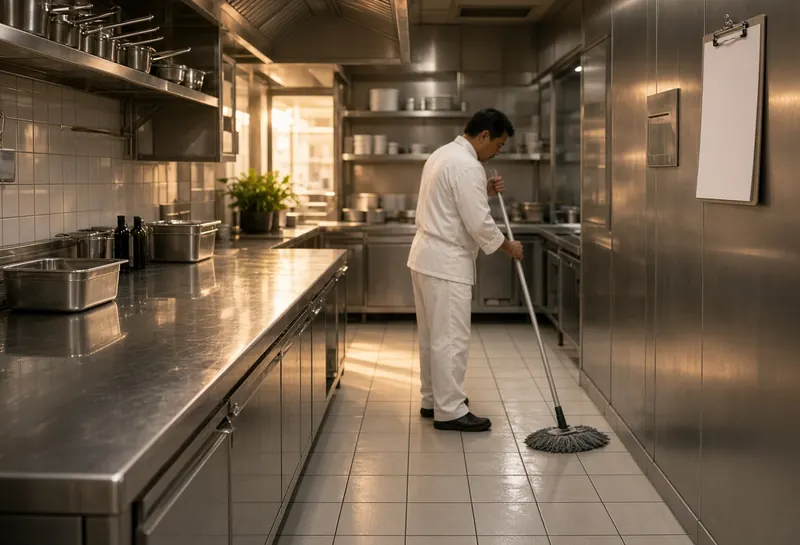
Before you write a schedule, divide the kitchen into five zones: prep (tables, boards, vegetable sinks), cook (ranges, ovens, grills, hoods), wash (manual and machine), storage (chillers, dry racks), and floors and drains.
Each zone has its own “enemy”. The cook zone fights grease and carbon, the prep zone leftover food and protein, the wash zone limescale. Because the enemies are different, the tools are different too.
Why does it have to be written down, not just remembered?
A restaurant kitchen changes shifts and changes people. What is not written down is usually missed, and what is missed is usually the hood, the floor drains, or the dishwashing machine.
A written schedule is also evidence during a food-safety audit or a brand visit. As a bonus, chemicals go further because each area uses the right product and the right dose.
A sample schedule you can post straight away
| Area | When | Use |
|---|---|---|
| Kitchen floor | End of every shift | Suma Bio-Floor |
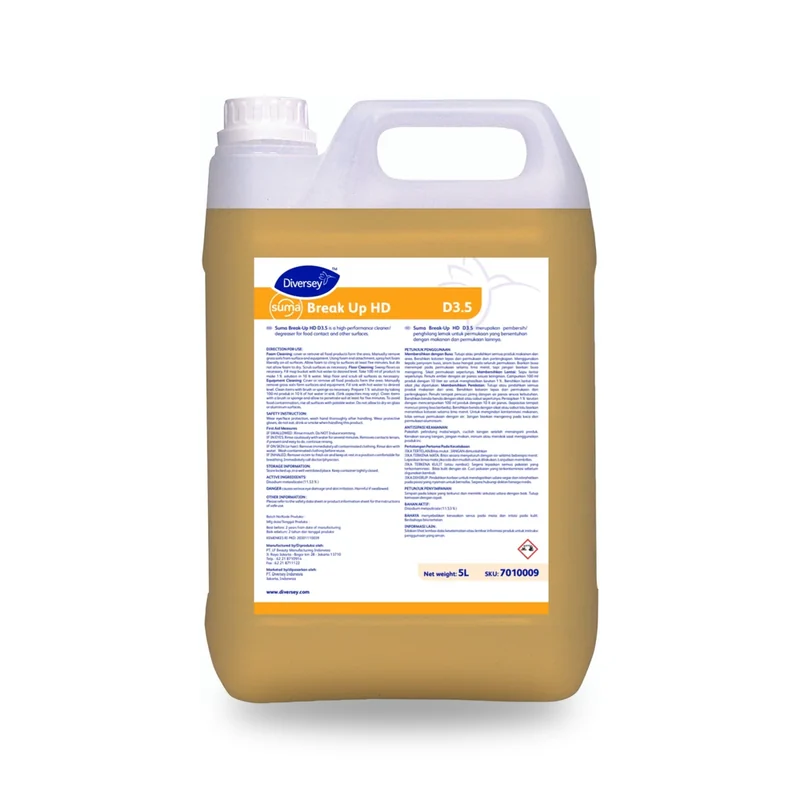
| Tables, walls, hood | Daily; hood weekly | Suma Break Up D3.5 |
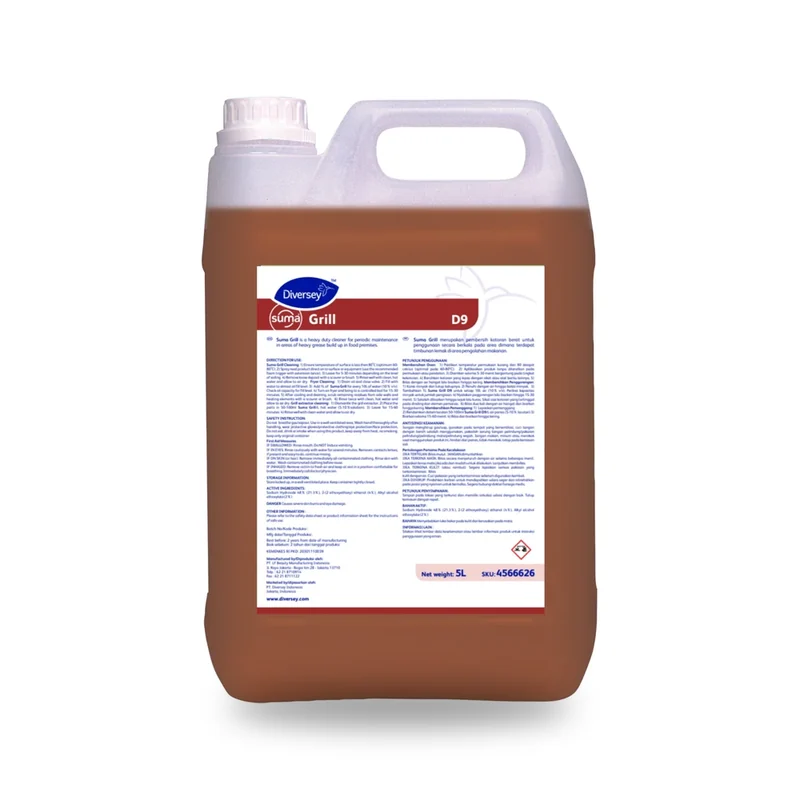
| Oven and grill | Wipe daily, deep-clean weekly | Suma Grill D9 |
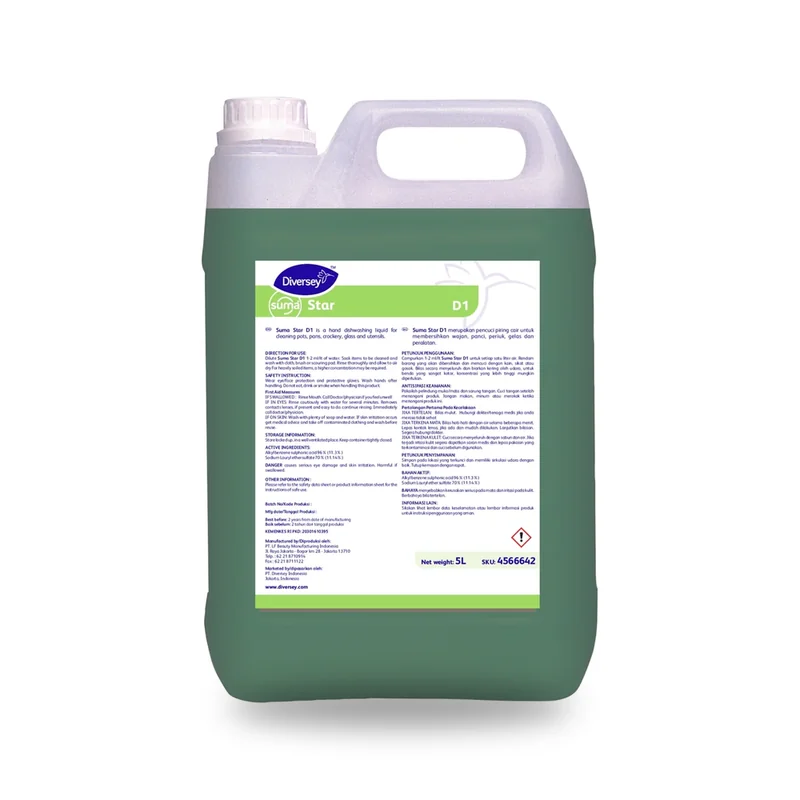
| Manual dishwashing | Every use | Suma Star D1 |
| Dishwashing machine | Every service | Suma Nova L6 + Suma Crystal A8 |
| Stainless | As needed | Suma Inox D7 |
| Limescale | Monthly | Suma Cal-X |
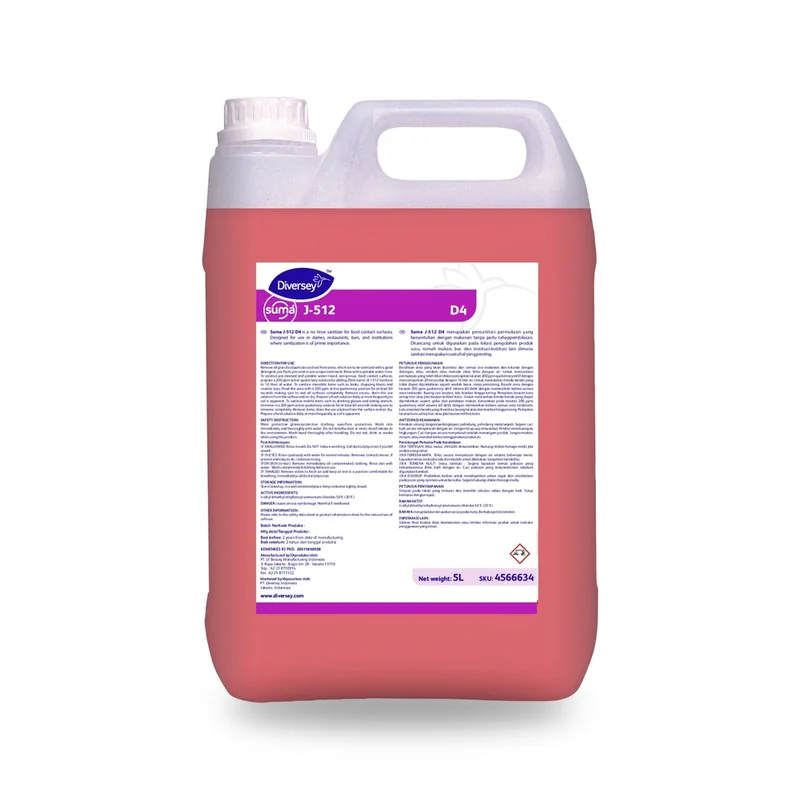
| Food-contact surfaces | After cleaning | Suma J512 |
This is a general example. Adjust it to your opening hours, cooking volume and brand standards.
A small secret: the correct dose
Almost all of the products above are concentrates. Too dilute, and the soil does not come off. Too strong, and you waste product and can damage the surface.
Follow the dose on the label (for example Suma J512 at a 1:512 ratio) and write the dose on every spray bottle. Not yet sure how to calculate it? Read how to calculate cleaning-chemical dilution.
So the schedule does not just become wallpaper
- Post one sheet per area, not one sheet for the whole kitchen.
- Appoint one person per shift to tick and initial the sheet.
- Use labelled bottles, never old drinks bottles.
- Review once a month: which area soils up again the fastest?
The first week: what usually happens?
In the early days, staff may feel the schedule is a hassle. Someone forgets to initial it, someone still uses one bottle for every area. That is normal.
After a few weeks, the pattern usually starts to show: the floor is not slippery as quickly, the hood is not dripping, and the end-of-shift work is shorter because soil has not had time to build up. That is the point at which the schedule changes from an “extra task” into a kitchen habit.
Want a deeper look at oil and grease? Continue to kitchen cleaners and grease removers or how to choose an oven cleaner.
Quick questions
Which cleaner is right for a kitchen floor? For a greasy kitchen floor, Suma Bio-Floor: a no-rinse floor cleaner with non-pathogenic bacteria, surfactants and solvent.
Are cleaning and sanitizing different? Yes. Clean the soil first, then sanitize the surface that is already clean.
Can you make a schedule specifically for my kitchen? Yes, at no charge. Send photos of the kitchen area via WhatsApp or fill in the form on the contact page.