


Glasses Still Spotted After the Machine Wash? Here’s the Role of Warewashing Chemicals
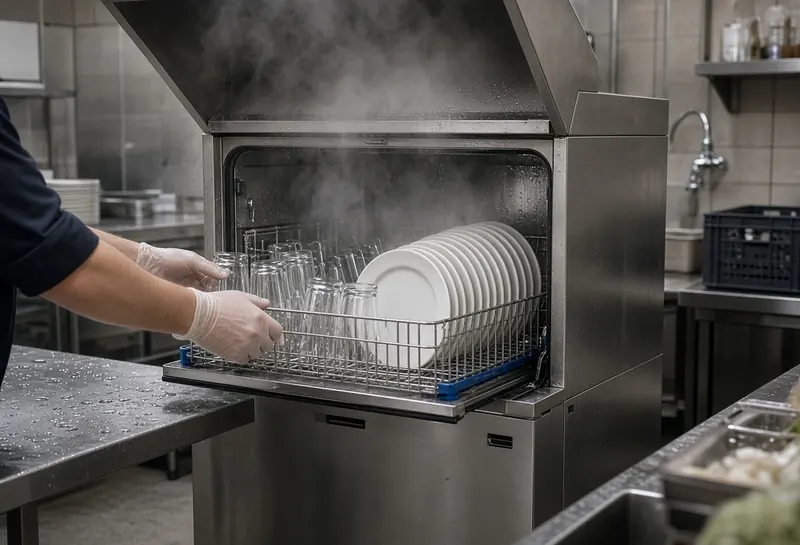
The machine was expensive to buy, but glasses still come out spotted and plates do not dry quickly. Often what needs checking is not the machine, but the warewashing chemicals being used. There are three main players: detergent, rinse aid and descaler.
1. Detergent: the soil remover
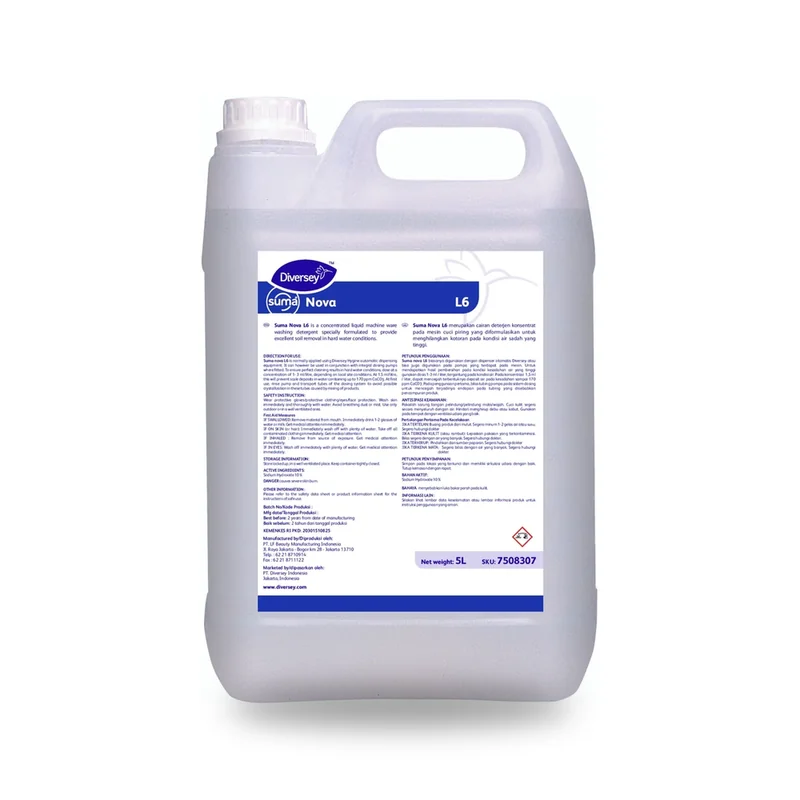
A machine detergent is alkaline and made to be low-foaming, because too much foam interferes with the machine. Suma Nova L6 is a liquid warewash detergent formulated to remove soils in high-hardness water.
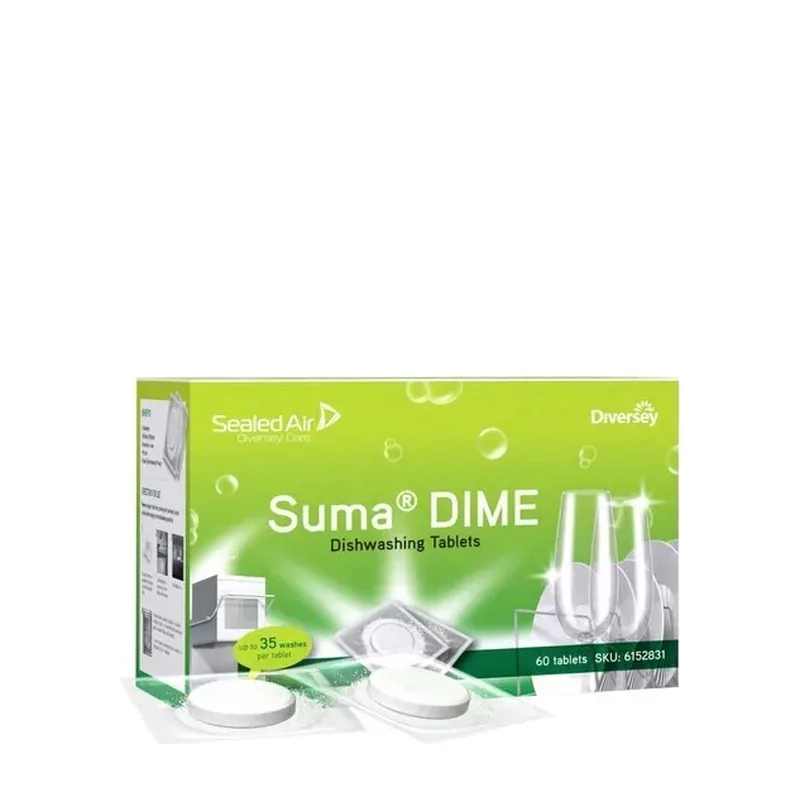
For undercounter or door/hood-type machines, there is also a tablet format: Suma DIME and DIME Mini.
2. Rinse aid: the secret of clear glasses
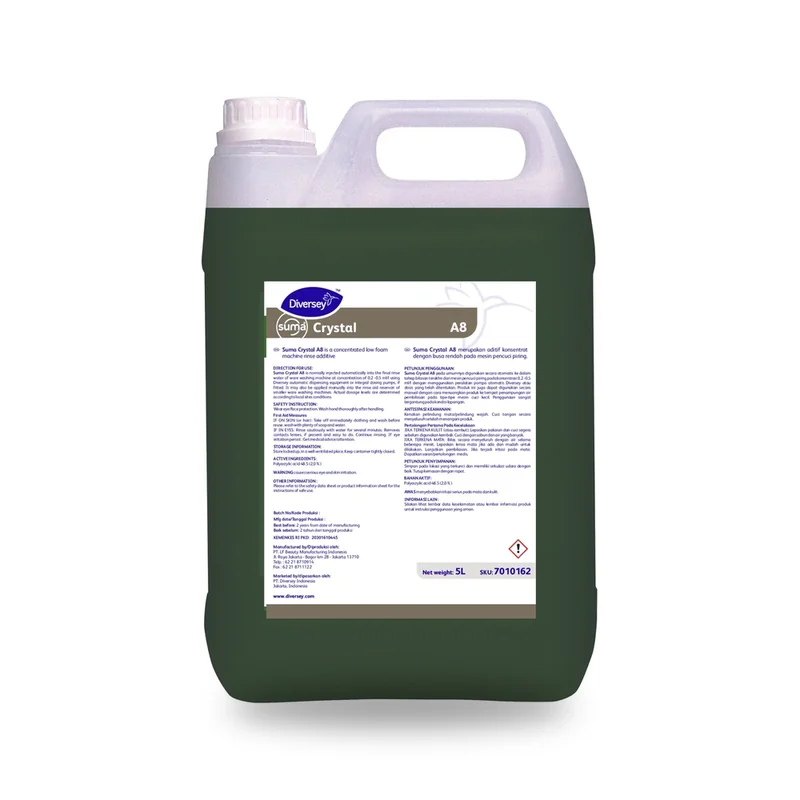
Rinse aid helps water sheet evenly off plates and glasses. The result is faster drying and fewer water spots. Suma Crystal A8 is a low-foam rinse aid for fast, streak-free drying in high-hardness water.
So if glasses are often spotted, first check whether the rinse aid is filled and the dose is right.
3. Descaler: the machine’s maintenance product
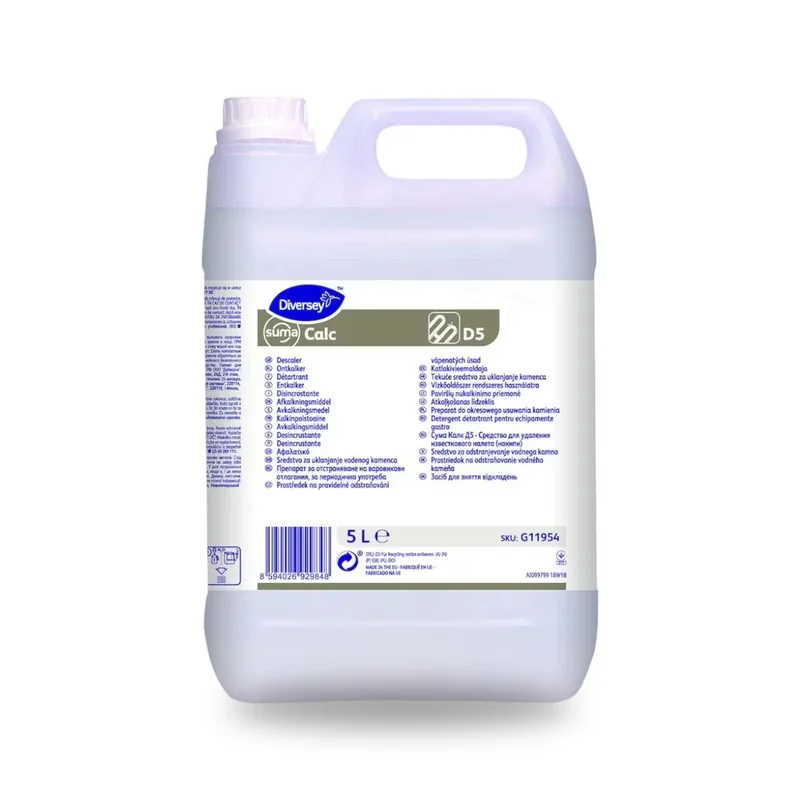
Hard water leaves mineral scale on heating elements and nozzles. The machine works harder and wash results decline. Suma Cal-X is used to remove scale from dishwashers, bain-maries, water heaters, and tea and coffee urns. Descale periodically, following the product directions and the machine manufacturer’s guidance.
“Can I put ordinary dishwashing liquid in the machine?”
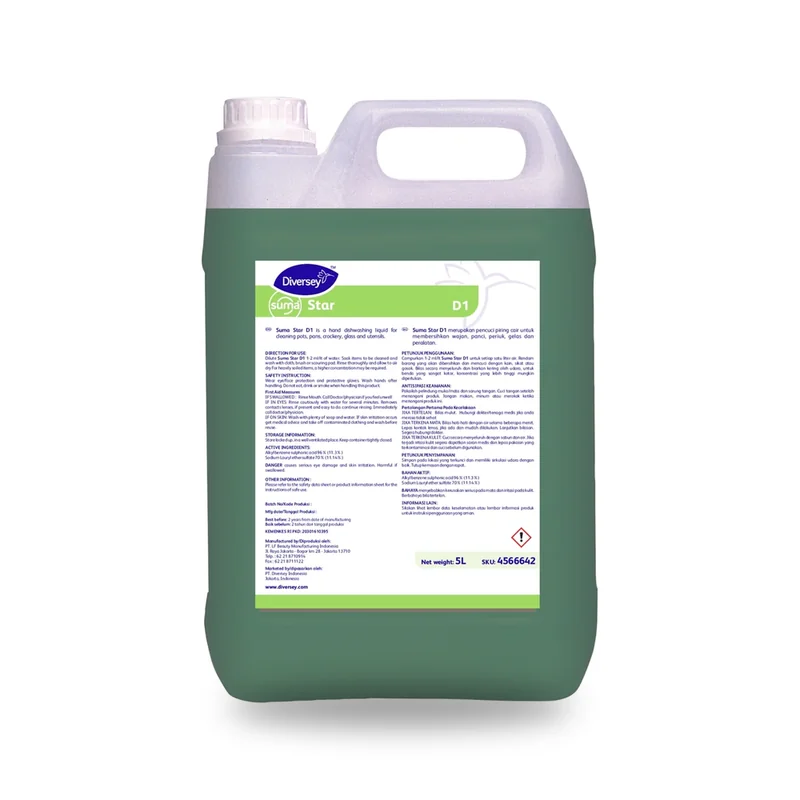
Better not. A manual dishwash such as Suma Star D1 is excellent for pots and pans in the sink, but it foams too much for a machine.
Five habits for the best results
- Scrape leftover food before plates go into the machine.
- Use an automatic dosing system for detergent and rinse aid so the concentration stays consistent.
- Follow the wash and rinse temperatures recommended by the machine manufacturer.
- Check nozzles and filters every day.
- Store the descaler (acid) separately from chlorinated products. Read the danger of mixing chemicals.
The dishwashing machine is only one part of the kitchen. See the wider picture in the restaurant kitchen cleaning schedule and the kitchen cleaner guide.
Why do problems often appear at peak times?
At lunch and dinner, the machine runs without a break. If the detergent or rinse-aid dose is inconsistent, the effect is immediate: plates have to be rewashed, glasses are wiped by hand, and the queue in the wash area builds up.
Automatic dosing and a routine check before the rush help prevent this. A little attention at the start of the shift can save a lot of time when the restaurant is full.
The bottom line: a dishwashing machine works only as well as the chemicals that fill it. Detergent lifts the soil, rinse aid helps plates and glasses dry quickly without spots, and a descaler keeps the machine in good condition. The three complement each other, so do not leave one of them out.
Quick questions
What is rinse aid? A rinsing agent that helps water sheet evenly off plates and glasses, so they dry quickly and water spots are reduced.
How often should we descale? Periodically, following the product directions and the machine manufacturer, especially if the water at your site is hard.
Can we request a complete package for the kitchen? Yes. See our Restaurant & F&B solutions.