


Too Much or Too Little? How to Calculate Cleaning-Chemical Dilution in One Minute
“Just pour enough.” That sentence quietly makes many businesses waste chemical. Too dilute, and the soil does not come off. Too strong, and you waste product, leave residue, and can even damage the surface. Fortunately, how to calculate the dilution of a concentrated chemical is much easier than it sounds.
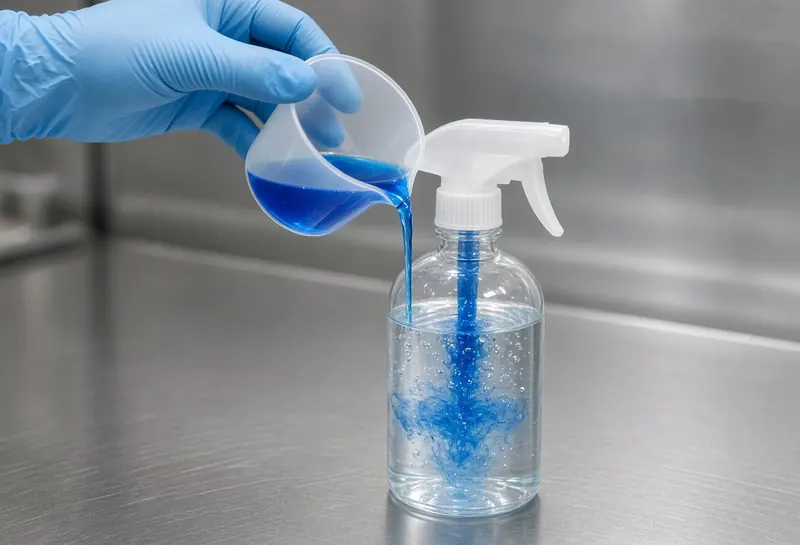
Format 1: ml per litre (the easiest)
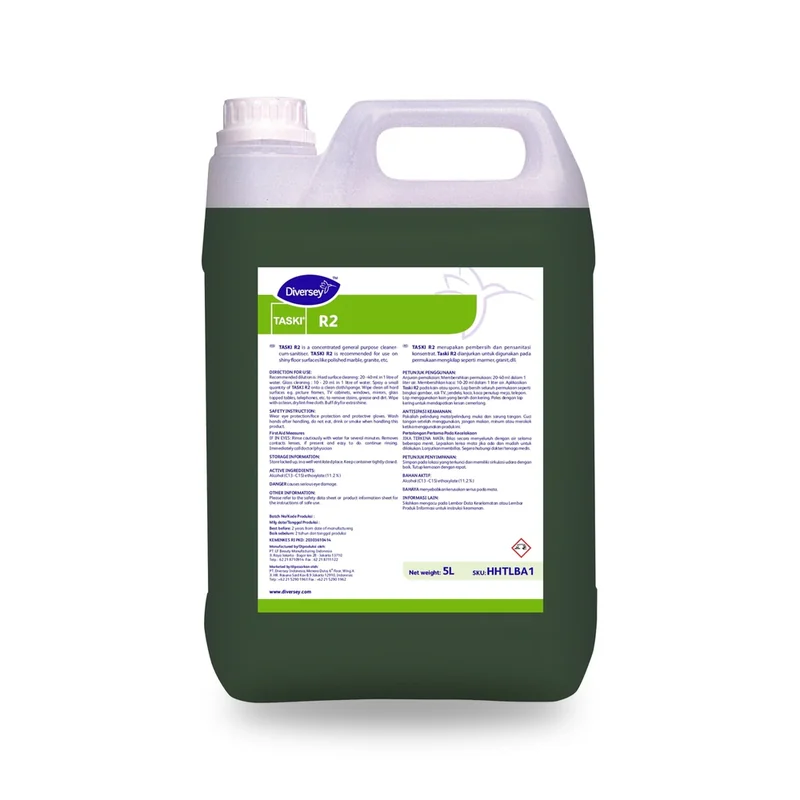
Take TASKI R2, which our catalogue lists at 20–40 ml per litre of water.
- A 500 ml spray bottle: 10–20 ml of product, then top up with water to 500 ml.
- An 8-litre bucket: 160–320 ml of product for 8 litres of water.
The formula: ml of product = dose (ml/L) × solution volume (L).
Format 2: a ratio such as 1:256 or 1:512
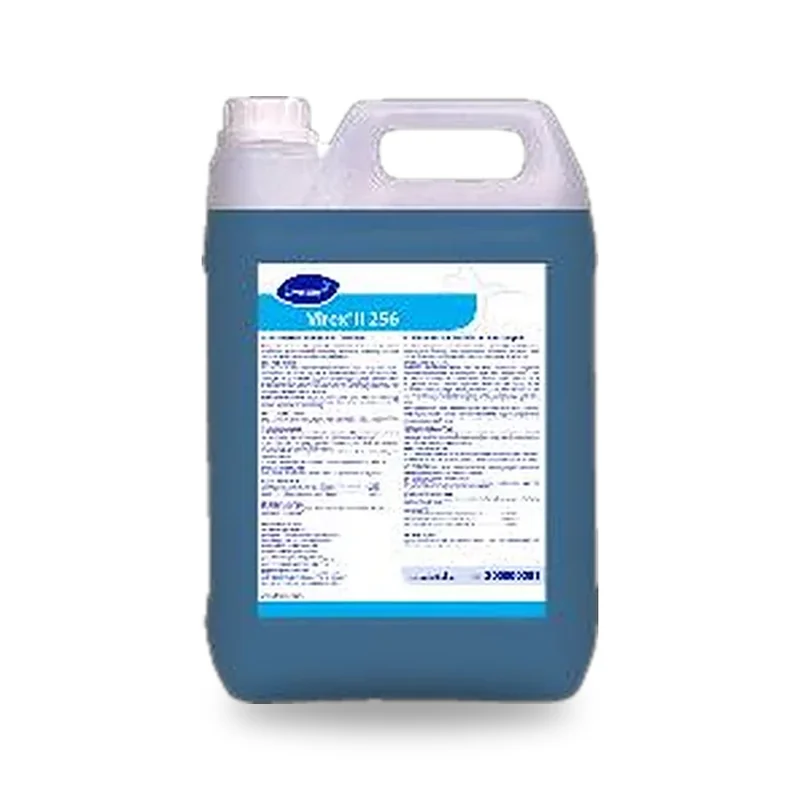
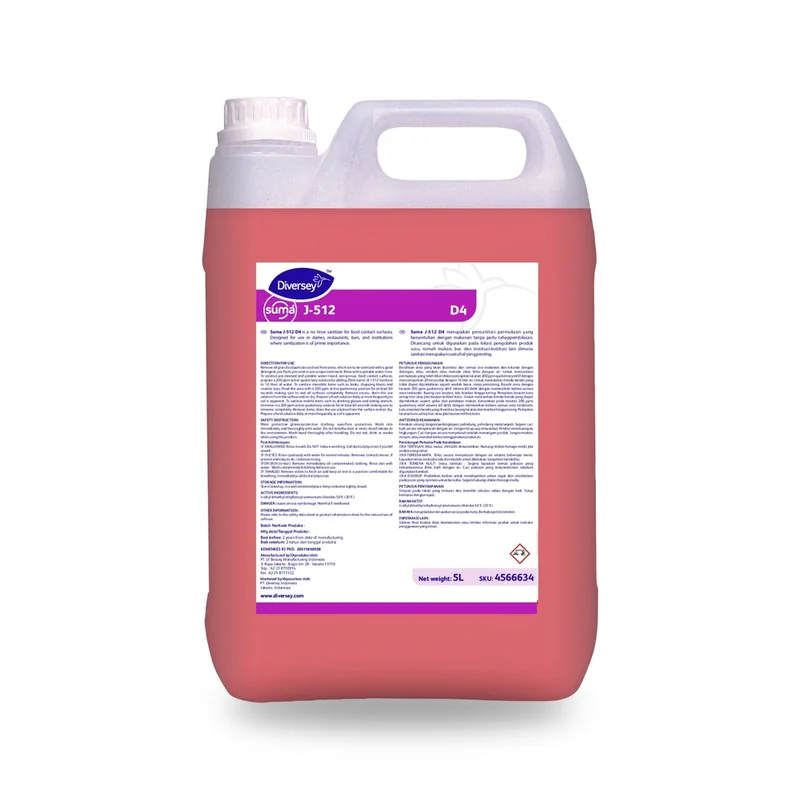
The names Virex II 256 and Suma J512 refer to the dilution ratios 1:256 and 1:512. That means 1 part product to 256 (or 512) parts of solution.
- 1:256 → 1,000 ml ÷ 256 ≈ 3.9 ml per litre.
- 1:512 → 1,000 ml ÷ 512 ≈ 2 ml per litre.
The formula: ml of product per litre = 1,000 ÷ the ratio number. So a 10-litre bucket at 1:256 needs about 39 ml of product.
Format 3: percentage
1% means 10 ml of product per litre of solution, 2% means 20 ml, and 0.5% means 5 ml. The formula: ml per litre = percentage × 10.
A quick cheat sheet
| Format | ml per litre | For 5 L |
|---|---|---|
| 0.5% | 5 ml | 25 ml |
| 1% / 1:100 | 10 ml | 50 ml |
| 2% / 1:50 | 20 ml | 100 ml |
| 4% / 1:25 | 40 ml | 200 ml |
| 1:256 | ≈ 3.9 ml | ≈ 20 ml |
| 1:512 | ≈ 2 ml | ≈ 10 ml |
The figures above are only examples of how to calculate. The official dose remains the one written on the product label.
Tips to keep the dose right every time
- Use a measuring cup, a dose pump or an automatic dispenser. Don’t rely on feel.
- Put the water in first, then the product, so it does not splash or foam excessively.
- Label every solution container: product name, dose and date.
- Wear the PPE stated on the label when handling the concentrate.
The correct dose is also an important part of a restaurant kitchen cleaning schedule and of hotel housekeeping SOPs.
Why does the right dose matter?
Imagine two staff members cleaning the same area with the same product. One pours “enough”, the other uses a measuring cup. The result? The first often uses far more product, and sometimes even leaves a sticky film that has to be rinsed again.
With a measuring tool and a dose label on every bottle, the work is consistent, the chemical stock lasts longer, and the monthly cost is easier to predict.
The bottom line: just remember three formulas: the ml-per-litre dose multiplied by the volume, 1,000 divided by the ratio number, and the percentage multiplied by ten. Post the chart above in the dilution area, and let the measuring cup do the work. Cleaning results are more consistent, stock lasts longer, and staff no longer have to guess.
Quick questions
Does a stronger solution clean better? No. A solution that is too strong is wasteful, leaves residue, and can damage the surface.
How many ml is a 1:256 ratio for 1 litre? About 3.9 ml of product per litre of solution.
Can you help calculate our monthly requirement? Yes, at no charge. Contact the Sanitra team with a list of your areas and cleaning frequency.