


Vinyl Floor Dull and Yellowing? It’s Time to Strip and Recoat the Floor the Right Way
The corridor floor is mopped every day, but it still looks dull, yellowish, and as if the soil is “locked in”. If that sounds familiar, the problem is not the mopping. The floor’s protective film is worn out, and it is time to strip and recoat the floor.
What is actually happening?
Vinyl, homogeneous tile and some other hard floors are usually protected by a floor-finish film, often called a coating or polish. Over time this film becomes dull, yellows, or traps soil. The solution: strip the old film (stripping), then apply a new one (coating).
Meet the “team”
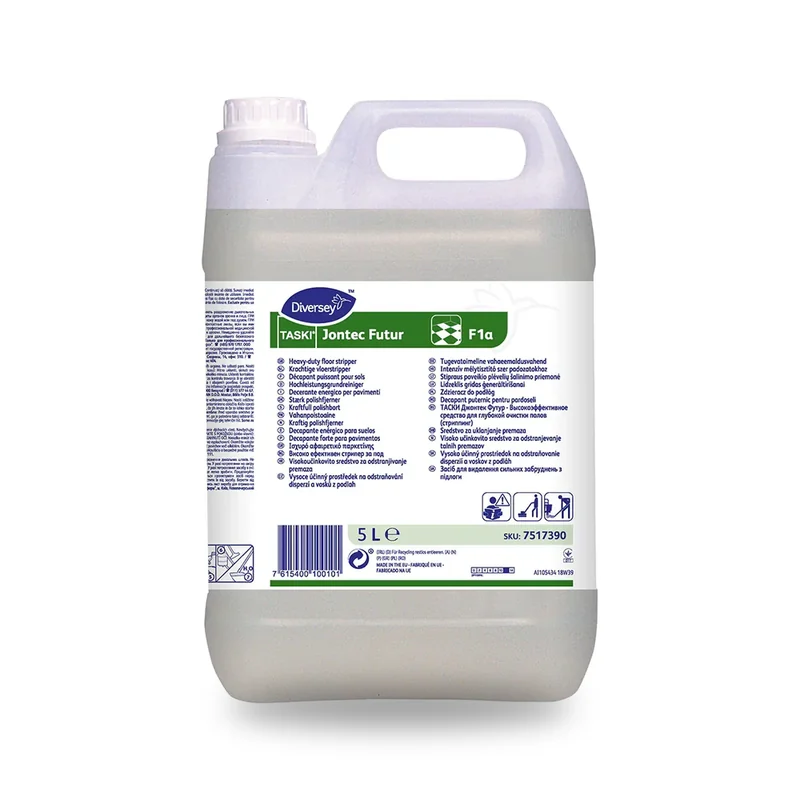
- TASKI Jontec Futur: a powerful floor stripper for removing emulsion layers and films from alkali-resistant hard floors.
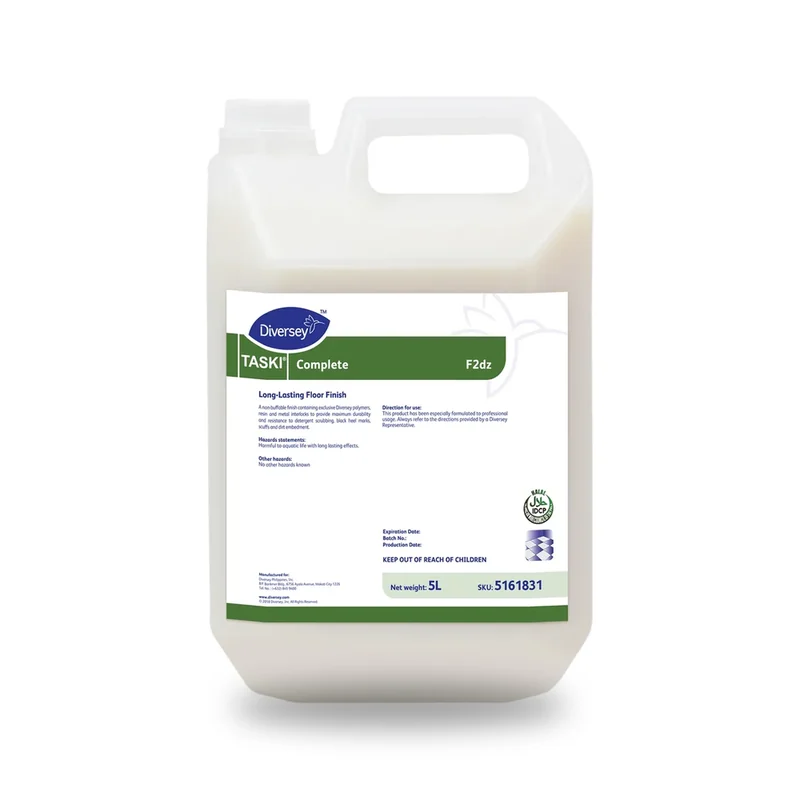
- TASKI Complete: a long-lasting floor finish with polymers and resins.
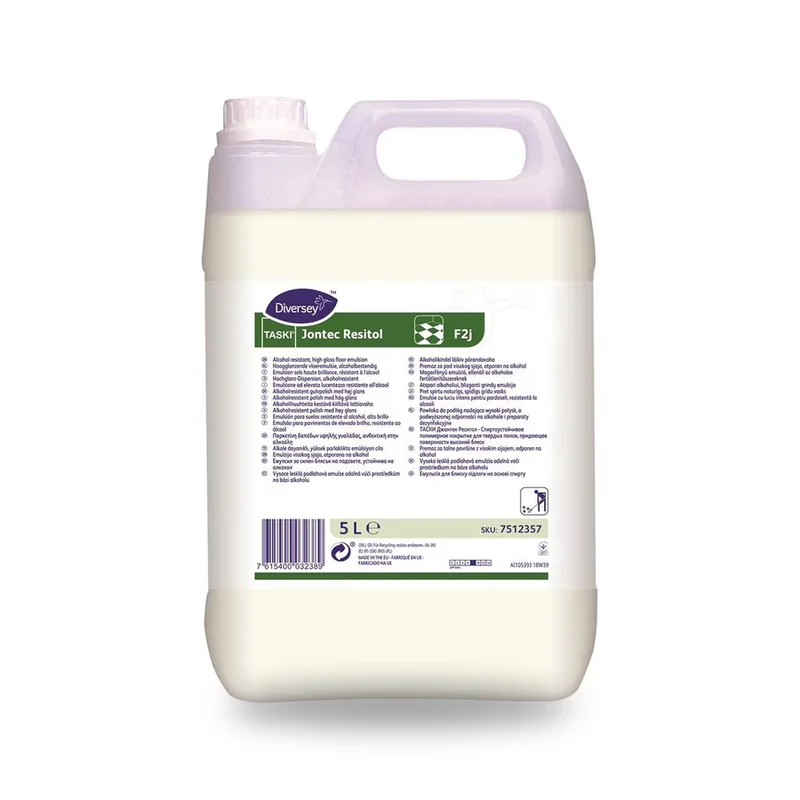
- TASKI Jontec Resitol: a floor-gloss emulsion with a blend of polymers and wax.
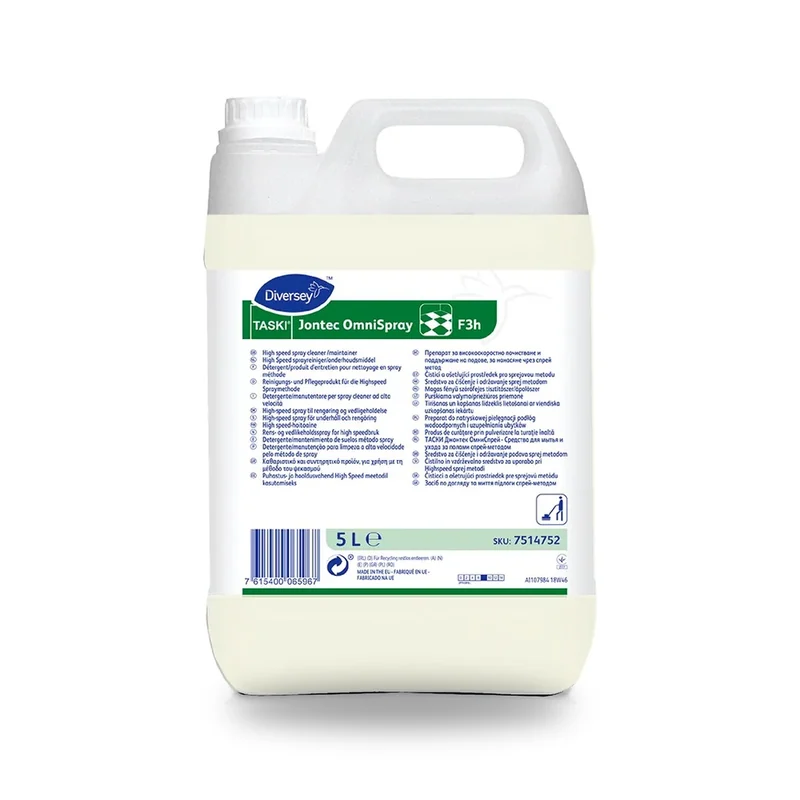
- TASKI Omnispray: a spray buff to maintain the shine between coating schedules.
Stage 1: stripping
- Put out wet-floor signs and move the furniture.
- Sweep or vacuum the whole area.
- Dilute the stripper at the labelled dose, then spread it with a mop.
- Allow the labelled contact time; do not let it dry out.
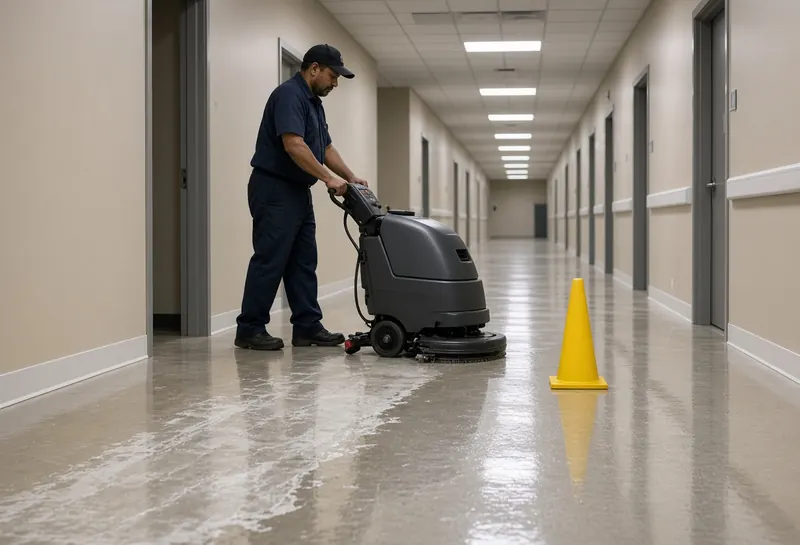
- Agitate with a single-disc machine and a stripping pad.
- Pick up the dirty solution with a wet vacuum.
- Rinse with clean water once or twice, then leave the floor to dry completely.
This rinse is important, because leftover alkaline stripper can interfere with the next coat.
Stage 2: coating
- Make sure the floor is completely clean and dry.
- Apply a thin, even coat of floor finish with a finish mop.
- Wait until it is dry, as directed, before the next coat.
- Repeat until you reach the number of coats recommended on the label.
- Allow it to harden before the floor takes heavy traffic.
On safety
A floor stripper is a strong alkali. Wear safety glasses, gloves and slip-resistant footwear as the label requires, and do not use it on a floor that is not alkali-resistant. This is a general guide; each product’s label remains the reference.
Is your floor marble, not vinyl? Marble is cared for differently; read how to crystallize a marble floor.
When is it time to strip?
The clearest sign: the floor still looks dull or yellowish even after it has just been mopped, and the soil seems trapped in the film. At that point, adding a new coat on top of the old one will only “lock in” the soil more deeply.
Because the process needs drying time, many buildings schedule stripping and coating at weekends or overnight. Plan the work area by area so traffic can be diverted safely.
The bottom line: stripping and coating is a job that needs preparation, not simply mopping harder. The right product, respect for contact time, a thorough rinse, and thin, even coats. If the steps are followed, the floor can look clean and shiny again, and it will be easier to maintain afterwards.
Quick questions
Why must the floor be completely dry before coating? So the floor finish adheres evenly. Leftover water or stripper can stop the new film from bonding properly.
How do I keep the shine after coating? Clean regularly and use a spray buff such as TASKI Omnispray between coating schedules.
Can you help us build a floor-care schedule? Yes: daily, weekly, through to periodic stripping. See our solutions for offices and buildings.